Pearl Screen
Fill your whole display with pearl in one click. Nothing to install, nothing uploaded.
Pearl wallpaper
What a pearl screen is for
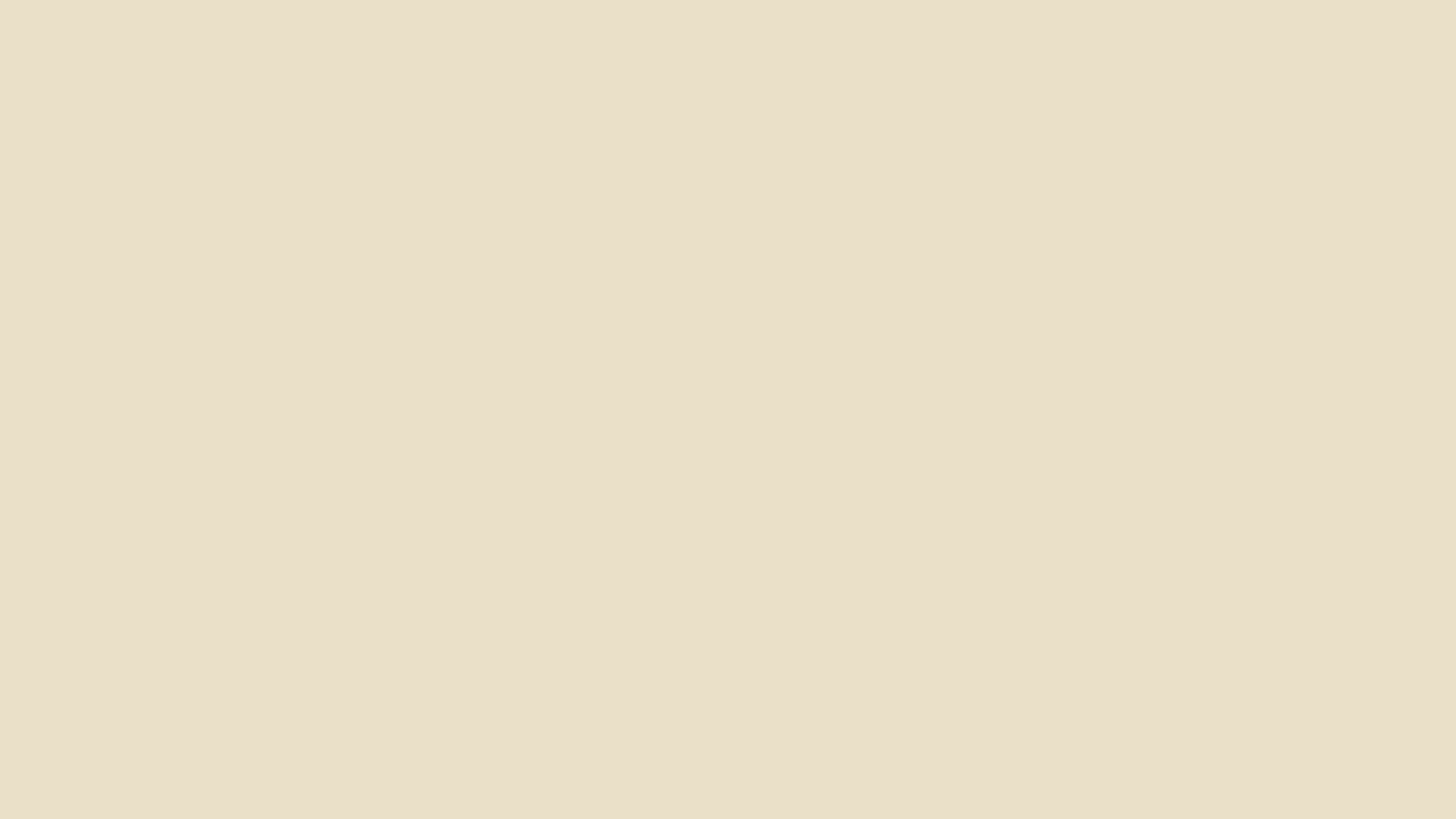
Pearl is an off-white with a faint warm cast. Like ivory it is easier on the eyes than pure white, and it reveals panel tint clearly because any color bias shifts it away from neutral.
Pearl is an optical effect, not a pigment
The colour of a real pearl comes from nacre, which is built up in extremely thin layers of aragonite. Those layers are close in thickness to the wavelength of visible light, so light reflecting off successive layers interferes with itself, reinforcing some wavelengths and cancelling others. The result is iridescence: the colour shifts as you move, because the path length through the layers changes with angle. The same mechanism produces the colours of soap bubbles, oil films and butterfly wings. None of it can be shown by a flat value, so this page is the base tone without the shimmer.
A cool off-white
Stripped of the iridescence, pearl is a very light neutral with a slight cool cast, all three channels high with blue fractionally ahead. That places it near ivory but on the opposite side of neutral: ivory is warm, pearl is cool, and the two look obviously different beside each other and nearly identical apart. As a background it behaves like a softened white, giving most of white's brightness with less of its glare.
Using it to check a display
Near-white fields are where panel tint shows most clearly, because there is enough light to see the cast and enough headroom that it is not being clipped. If pearl looks yellow on your screen, the display is running warm, either from a colour temperature setting, a night mode, or backlight ageing. Comparing it against ivory is the practical test: if you cannot see a difference between the two, the panel is not resolving near-neutrals well.
Click the panel above to go fullscreen and press Esc to come back. The color is drawn by your browser, so nothing is installed and nothing is uploaded.
Pearl color values
The exact values for this shade, if you need to match it somewhere else.
| Hex | #EAE0C8 |
|---|---|
| RGB | 234, 224, 200 |
| HSL | 42°, 45%, 85% |
| CMYK | 0%, 4%, 15%, 8% |
| Contrast on white | 1.31:1 |
| Contrast on black | 15.99:1 |
Contrast ratios follow the WCAG formula. Anything at or above 4.5:1 is readable as body text against that background, and 3:1 is the floor for large headings. Pearl reaches that bar on black.
Colors close to pearl
Measured as perceived difference, not by name, so these are the shades that genuinely sit nearest pearl to the eye.
Questions
Does this work on a phone?
Yes. On mobile the page fills the screen when you tap the panel. Some browsers keep a thin status bar visible, which is a browser limit rather than something the page controls.
Will a pearl screen fix a stuck pixel?
Sometimes. A stuck pixel is lit in one color and can occasionally be freed by cycling colors rapidly for a few minutes. A dead pixel receives no power at all and cannot be recovered in software.
What is the hex code for this pearl screen?
This page uses #EAE0C8. The same value is shown in RGB, HSL and CMYK further down, so you can match this exact shade somewhere else.
Does a pearl screen save battery?
No, and on an OLED or AMOLED screen a light color costs more power than a dark one, because every pixel has to be lit. If battery life is the goal, use the black screen instead.
Can I download this pearl as a wallpaper?
Yes. There is a ready-made 1920 by 1080 PNG on this page, and the panel above will generate the same color at your own screen size, at 1440p or 4K, or at phone dimensions. No watermark and no sign-up.
Is it free?
Yes, and there is no sign-up. The page draws a color; that is the whole tool.